Current Projects
Are you looking to get a snapshot of what we have been up to? With the core project areas described below, we are consistently finding more effective and efficient approaches to partner with stakeholders to protect and enhance environmental quality.
WE ARE WORKING FOR YOU!
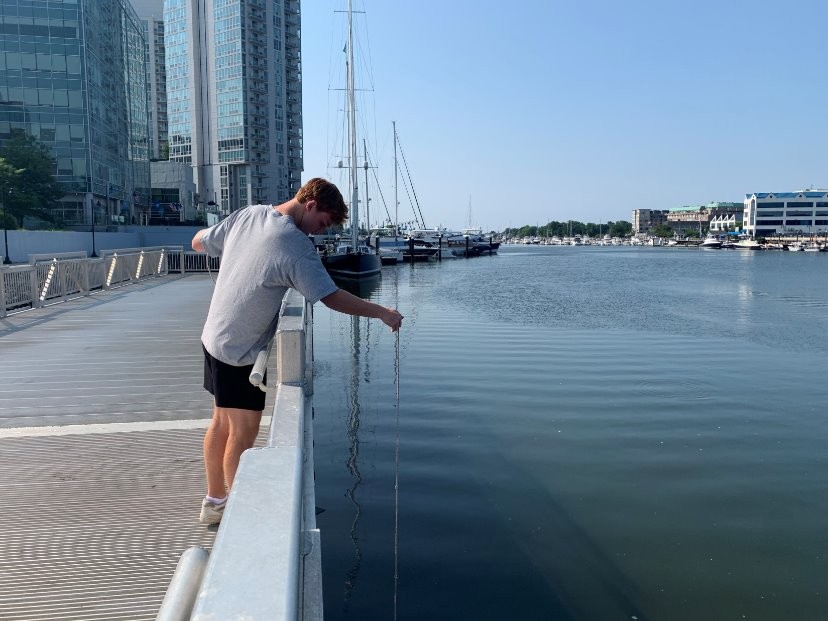
While monitoring programs focused on the ecological health of open waters and embayments of the Long Island Sound are well-established, a data gap exists for fecal indicator bacteria (FIB). FIB, which primarily enters waterways from sewage discharge and stormwater runoff, can cause direct and indirect harm to both people and the environment.
READ MORE >>
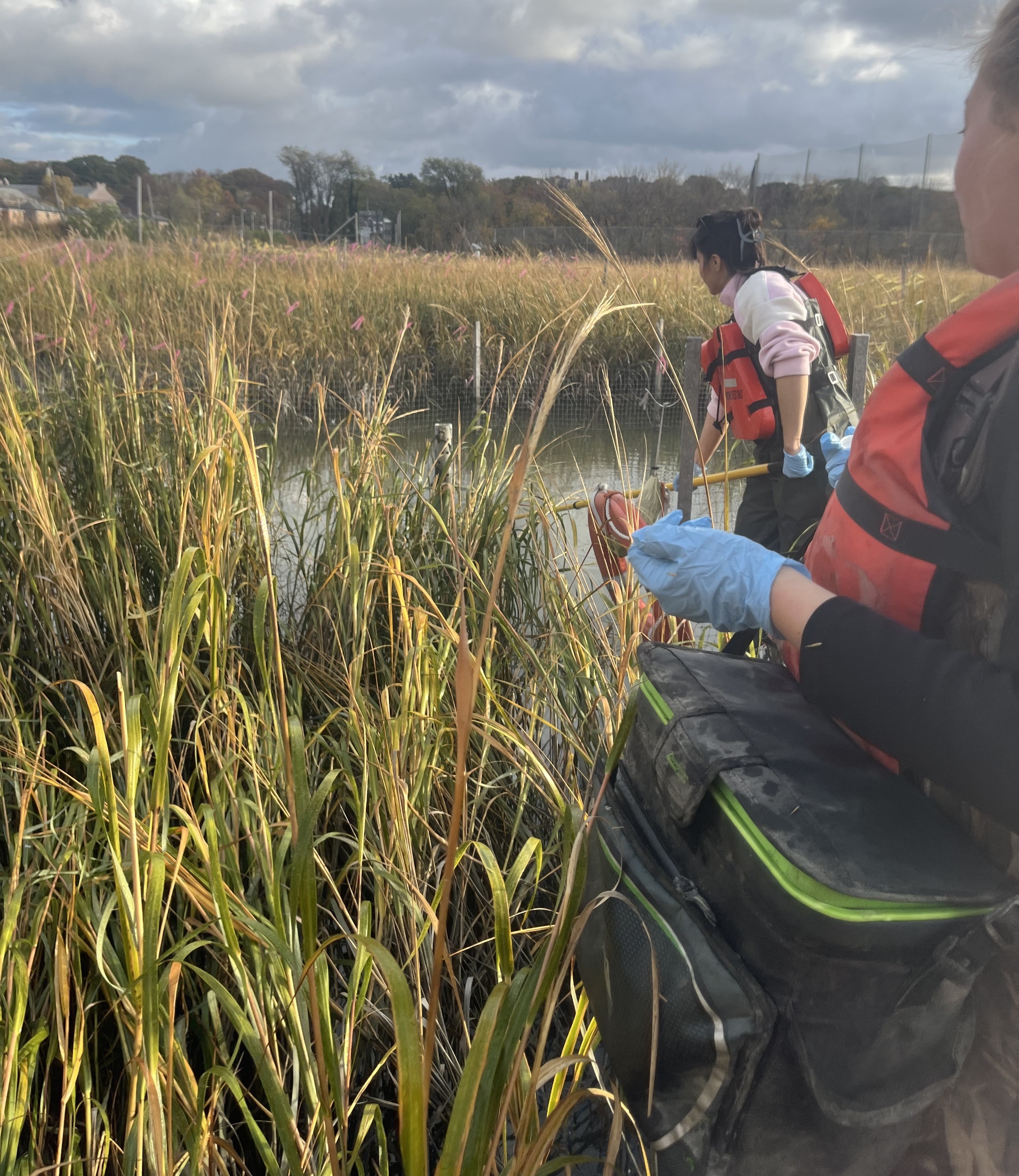
The Alley Creek Pathogen Reduction Project and Bergen/Thurston Basin Ribbed Mussel Performance Project, both established in 2023 with the City University of New York (Brooklyn College) and the Science and Resilience Institute at Jamaica Bay, aim to quantify the performance of two nature-based solutions in improving water quality issues resulting
READ MORE >>
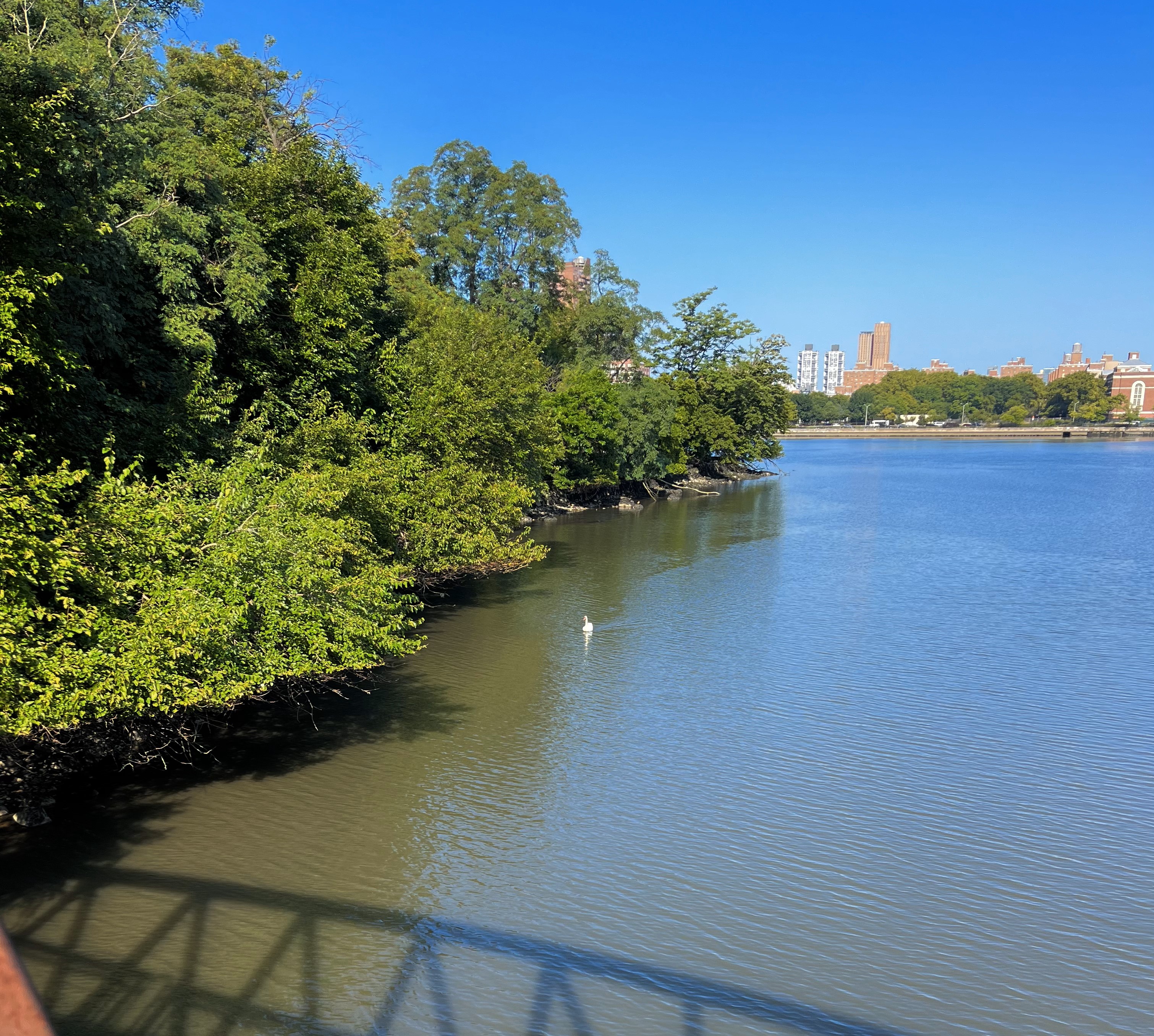
In October of 2023, NYSDEC amended its water quality standards to include criteria for secondary contact recreation in response to an increase of secondary recreational use of the New York Harbor. Following this amendment, IEC introduced the NYSDEC 604b Monitoring Program to assess Class SB and I water bodies impacted by the new criteria.
READ MORE >>
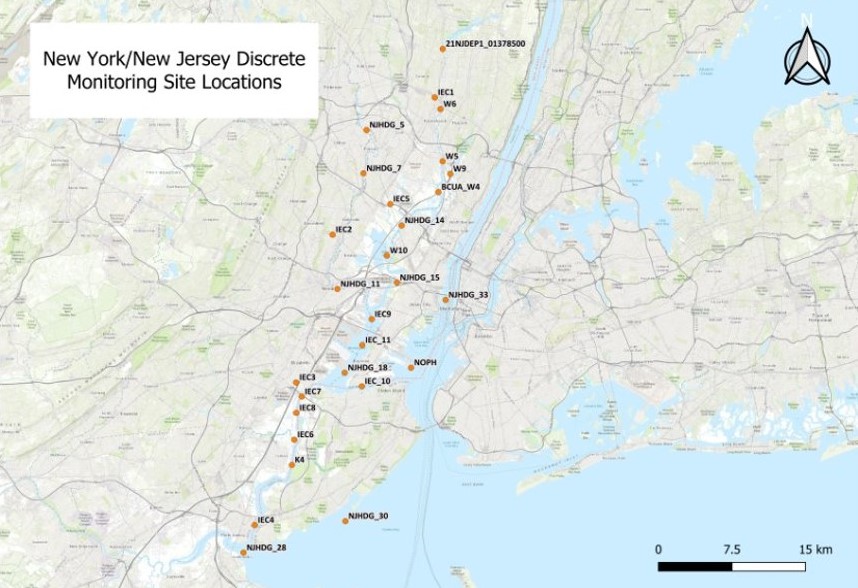
Program Overview
Since 2021, IEC has been collecting water quality data through the New Jersey Department of Environmental Protection (NJDEP)/IEC Harbor Monitoring Program in order to inform water quality classification decisions on behalf of the NJDEP Division of Water Monitoring & Standards.
READ MORE >>
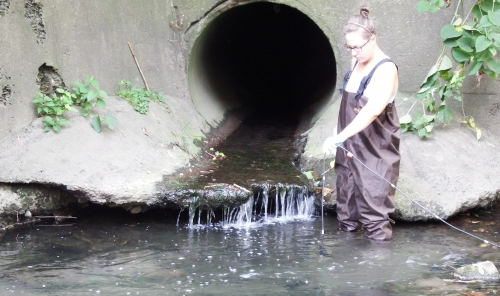
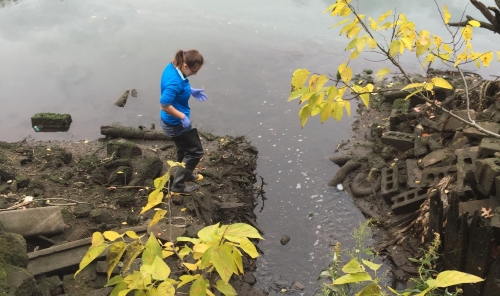
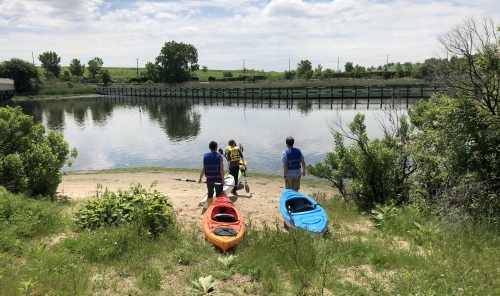
Volunteer monitoring (also referred to as participatory science) is an opportunity for community members to participate in scientific investigations, such as ambient monitoring surveys. Volunteers from community groups collect data to better understand their environment and address local issues of concern.
READ MORE >>
Program Overview
With high population density, extensive coastal development and insufficient tidal exchange with the Atlantic Ocean, the far western Long Island Sound (also known as the Western Narrows) is highly susceptible to degradation from pathogen and nutrient inputs due to stormwater runoff, combined
READ MORE >>