Winter Sampling
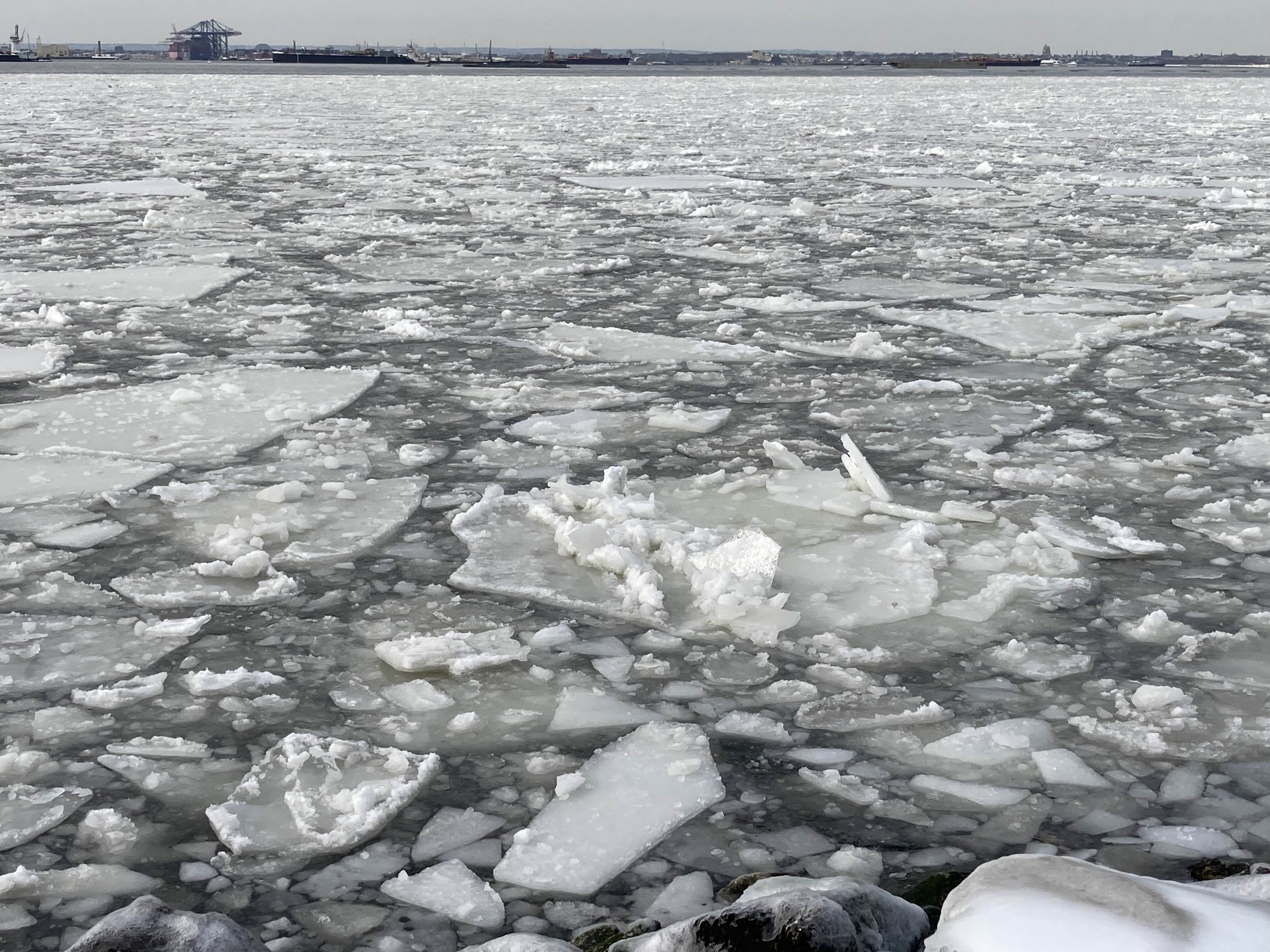
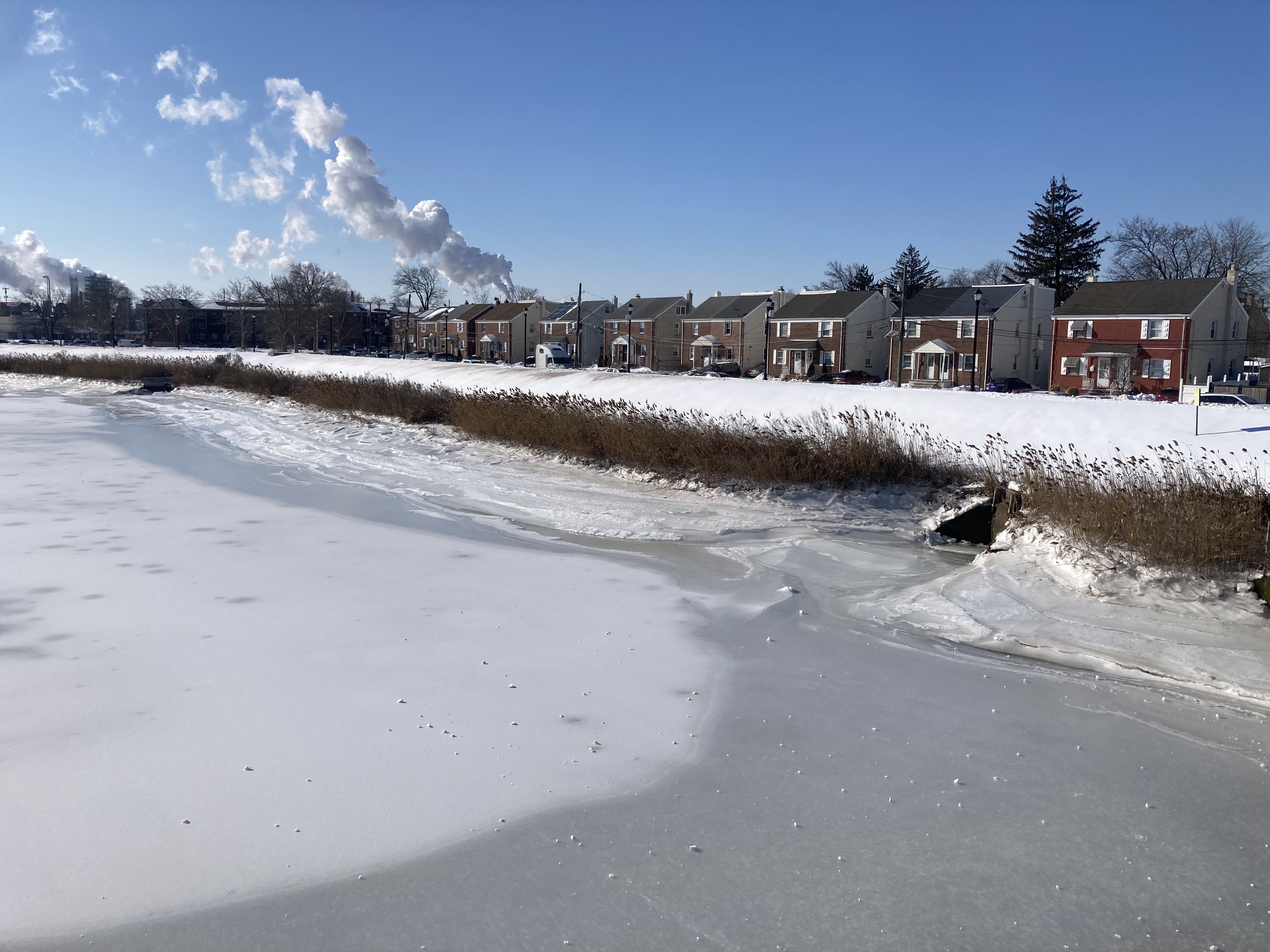
During the winter months when temperatures drop and recreational water uses decrease, water quality data is generally taken less frequently. Freezing conditions can pose many challenges for sampling in this season. During this colder-than-average winter, which produced large amounts of snow and ice, data has been especially difficult to collect. Thick sheets of ice occasionally prevented boats from getting out on the New York-New Jersey Harbor, the Long Island Sound, or the Hackensack River, where IEC does the majority of our boat-based sampling. IEC staff continued sampling as much as possible, driving out to land sites in freezing temperatures to collect samples. In some cases, this required breaking through a thick layer of ice in order to reach water. Sampling was often impossible in waterbodies where the ice was too thick or the river too shallow underneath the frozen layers. Our field teams had to use extra caution to make sure equipment was functioning properly and sites were safe to get to.
Despite these challenges, winter sampling is very important. When large portions of a waterbody freeze over, it can affect nutrient cycling and consequently, dissolved oxygen levels. Although it is unlikely without prolonged freezing, winter hypoxia can occur where ice stops the processes of sunlight interactions and mixing. When warmer weather begins the process of thawing snow and ice, it can lead to heavy loads of runoff carrying pathogens, road salt, and other pollutants into waterways. One teaspoon of road salt in a freshwater system can permanently pollute five gallons of water. These changes in salinity can harm aquatic life and affect the health of the waterway. Even when a waterbody is frozen, life and ecological processes continue under the surface and anthropologic inputs affect waterbodies year-round. In order to understand these influences and best protect the aquatic life and ecosystems in our waterways, year-round water quality data is essential.
- Log in to post comments