New Methods Certified for IEC's Laboratory: Microcystins and Total Organic Carbon
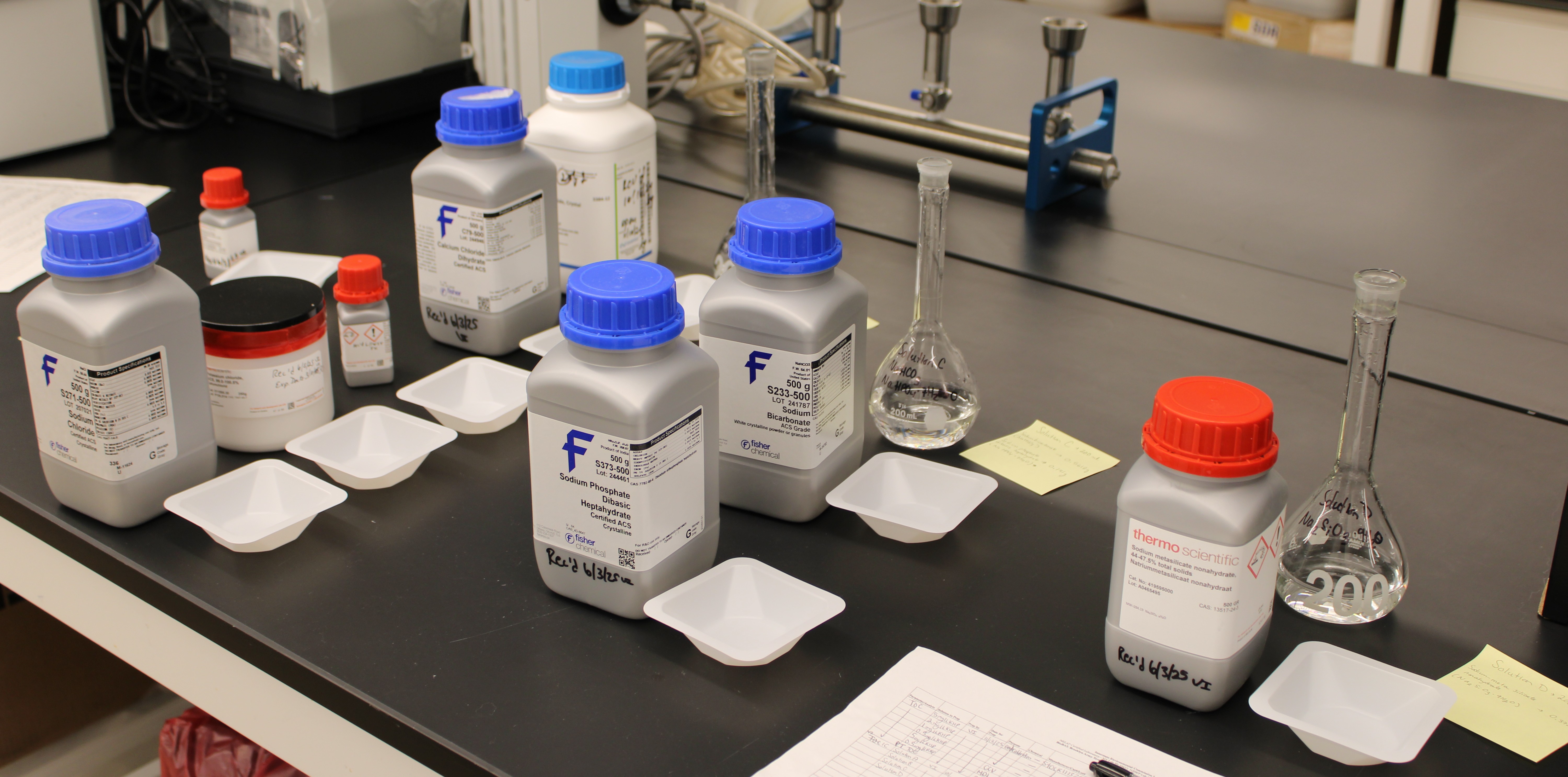
The New York State Department of Health Environmental Laboratory Accreditation Program has just approved two new laboratory certifications for IEC’s laboratory: Determination of Total Microcystins and Nodularins in Drinking Water and Ambient Water by Adda Enzyme-Linked Immunosorbent Assay (ELISA) and Determination of Total Organic Carbon (TOC) and Dissolved Organic Carbon in Non-Potable Waters. With these new certifications, IEC will be able to expand its abilities to include more comprehensive testing of water quality and health.
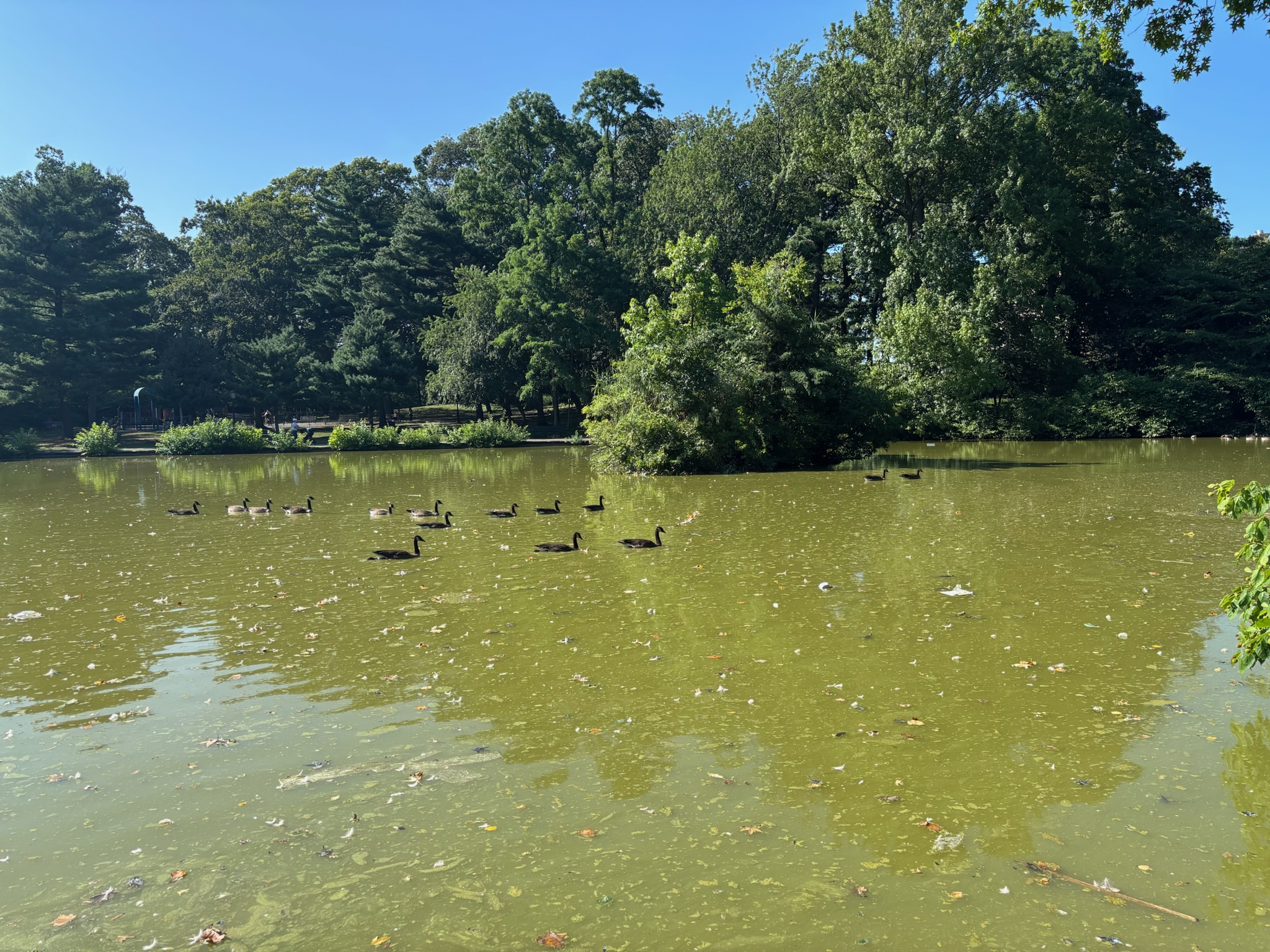
The presence of microcystins in a waterbody shows that the water quality is compromised, usually by high nutrient levels, and may indicate the growth of a harmful algal bloom (HAB). HABs can lead to hypoxia, or lack of oxygen in a waterbody, which prohibits any aquatic life from sustaining itself in these waters. Microcystin exposure can also be harmful to human health in contaminated waters and can seep into groundwater and affect drinking water. With this certification, IEC will be able to respond to reports of harmful algal blooms by quickly performing sampling and analysis in order to evaluate the health of the waterbody. Additionally, IEC will be able to alert local health departments to harmful algal blooms.
Organic carbon, on the other hand, is naturally found in all waterbodies. TOC provides a numeric value that can be used as a non-specific indicator of the overall health of a waterbody. High levels of TOC may suggest contamination such as agricultural and industrial waste in the form of nutrients and toxic organic materials, including pesticide and fertilizer runoff and industrial chemicals and detergents. Despite being treated to remove it, wastewater treatment plants and septic systems also release some organic carbon through effluent into water. An excess of organic carbon in water can cause high rates of consumption of dissolved oxygen and a higher oxygen demand. This can lead to lower dissolved oxygen concentrations, which can cause stress on aquatic life and water health. TOC testing can provide a more comprehensive view of how nutrients cycle through the ecosystem and what a baseline level may look like in that waterway. Data on TOC levels in a waterbody can be a valuable resource to help to identify further testing that may improve conservation efforts. Having this certification allows IEC to take on testing that is currently outsourced, namely for the Western Long Island Sound Monitoring Program and the New York/New Jersey Harbor Monitoring Program.
Both of these methods allow IEC to provide more comprehensive testing of water quality and further protect the health of waterways in the interstate environmental district. The data provided by these methods are useful indicators for water quality concerns such as low dissolved oxygen and excess nutrient levels and can be useful for identifying mitigation and conservation efforts in a waterbody.
- Log in to post comments