
New Laboratory Capability: Total Organic Carbon
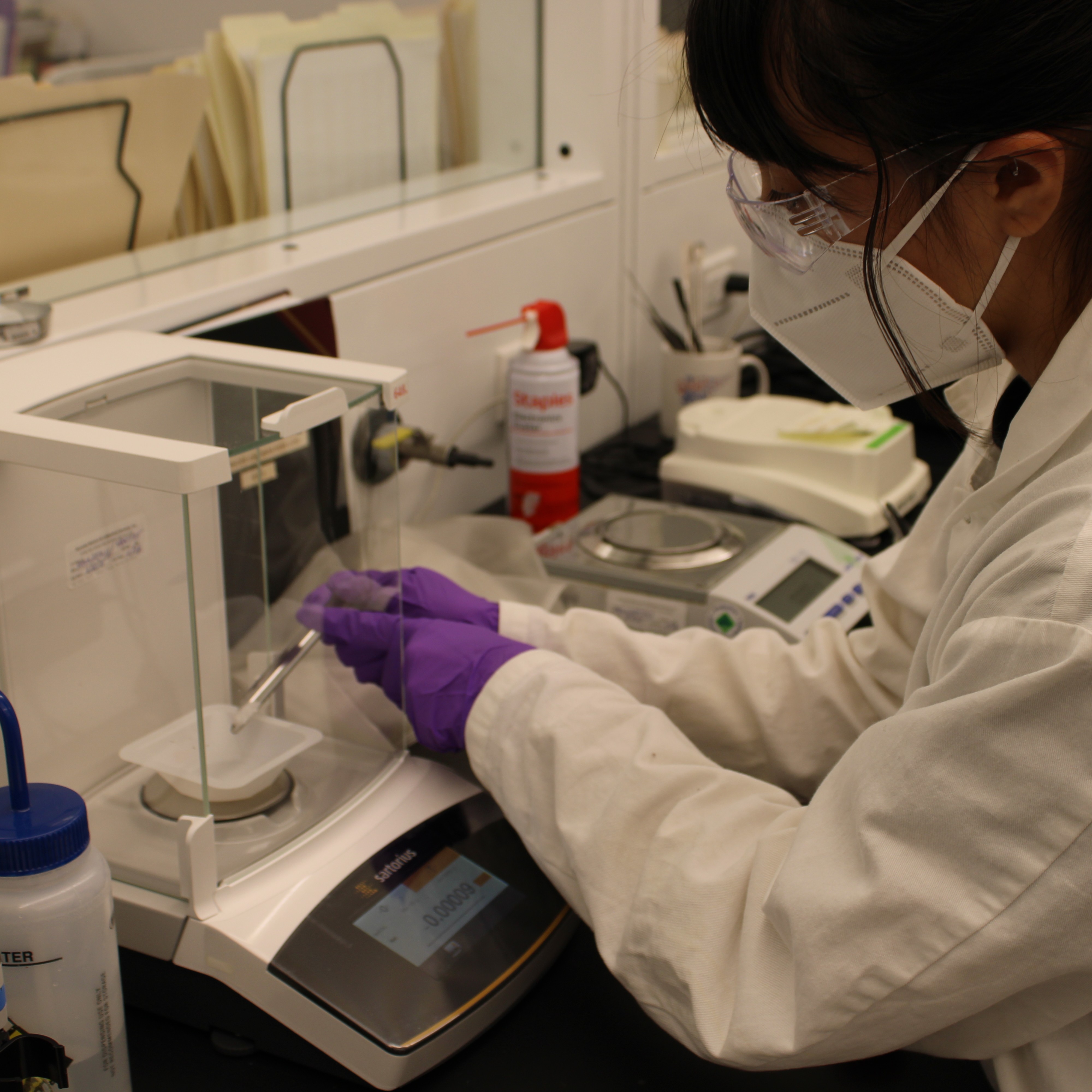
Pending approval by the NYSDOH Environmental Laboratory Approval Program, IEC will be certified in Standard Method 5310B-14: Determination of Total Organic Carbon (TOC) and Dissolved Organic Carbon (DOC) in Non-Potable Waters. This method uses combustion and an oxidation catalyst within a TOC analyzer machine to remove any inorganic carbon and purgeable organic carbon, isolating the organic carbon, which is then converted to CO2. The CO2 is then transported to a non-dispersive infrared detector using carrier gas and measured by software in the machine. The total organic carbon result provides a numeric value that can be used as a non-specific indicator of the overall health of a waterbody. Having this certification will allow IEC to take on testing that is currently outsourced, namely for the Western Long Island Sound Monitoring Program and the New York/New Jersey Harbor Monitoring Program.
Organic carbon is naturally found in all waterbodies, as a result of living or decaying organic matter found in water. It is found in many forms, including from plants, decomposing animal material, soil erosion, and microbial activity. However, human activities can cause spikes in organic carbon levels, making it an effective indicator of potential pollution in a waterway. Agricultural and industrial waste in the form of nutrients and toxic organic materials, including pesticide and fertilizer runoff and industrial chemicals and detergents can contribute to high TOC levels. Despite being treated to remove it, wastewater treatment plants and septic systems also release some organic carbon through effluent into water. An excess of organic carbon in water can cause high rates of consumption of dissolved oxygen and a higher oxygen demand. This can lead to lower dissolved oxygen concentrations, which can cause stress on aquatic life and water health. In addition, disinfectants, used in wastewater treatment processes to kill microbial pathogens, can react with naturally occurring materials in the water such as organic carbon when it is present in large amounts and form disinfectant byproducts like trihalomethanes (TTHM’s) and haloacetic acids (HAA5’s). These disinfectant byproducts are harmful to ecological and human health.
Due to the natural presence of organic carbon that may vary between waterbodies, there is currently no numeric standard to regulate TOC levels. However, TOC is a useful indicator of potential contamination in a waterway as it can point to many water quality issues. TOC monitoring is required for discharge from drinking water treatment plants and wastewater treatment plants, as well as in monitoring wells located in landfills or contaminated sites. In long term monitoring, TOC testing can provide a more comprehensive view of how nutrients cycle through the ecosystem and what a baseline level may look like in that waterway. Data on TOC levels in a waterbody can be a valuable resource to help to identify further testing that may improve conservation efforts.
- Log in to post comments